
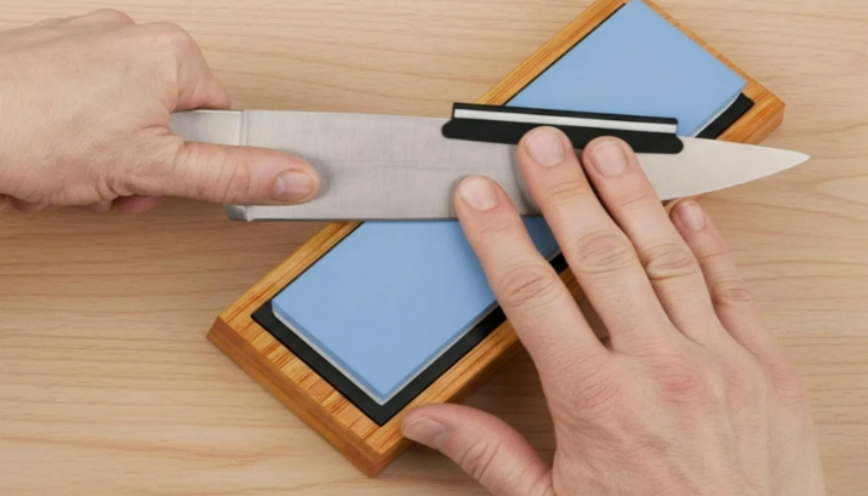
A dull knife isn’t just inefficient—it’s dangerous. Professional chefs, craftsmen, and tool enthusiasts understand that maintaining razor-sharp edges is essential for safety, precision, and optimal performance. While traditional sharpening methods have their place, modern professional knife sharpeners have revolutionized the way we maintain cutting tools, offering unprecedented consistency and control. Whether you’re running a commercial kitchen, operating a sharpening service, or simply maintaining your personal collection, investing in a quality sharpening system can transform your workflow and extend the life of your blades.
The evolution of knife sharpening technology has been remarkable. What once required years of practice and a steady hand can now be achieved with engineered precision through advanced sharpening systems that guide the blade at exact angles, ensuring repeatable results every time. These professional-grade tools bridge the gap between traditional whetstones and expensive automated machines, offering the perfect balance of control, precision, and efficiency for serious users.
Understanding Professional Knife Sharpeners
Professional knife sharpeners differ fundamentally from consumer-grade options. Built with premium materials such as aircraft-grade aluminum, stainless steel components, and precision-engineered angle guides, these systems are designed to withstand intensive daily use while maintaining their accuracy over thousands of sharpening sessions.
The key advantage of professional sharpening systems lies in their ability to maintain consistent blade angles throughout the sharpening process. This consistency is critical because even minor angle variations can compromise edge geometry, reducing cutting performance and edge retention. Professional systems use mechanical guides and adjustable clamps to eliminate human error, allowing users to reproduce factory-edge angles or customize edges for specific applications.
Types of Professional Sharpening Systems
Guided Angle Systems
Guided systems represent the gold standard for precision sharpening. These use adjustable angle guides and blade clamps to maintain exact blade positioning while abrasive stones are drawn across the edge. The mechanical advantage ensures that novices can achieve results comparable to experienced sharpeners, while professionals can work faster without sacrificing quality.
Modern guided systems offer angle adjustability typically ranging from 10 to 40 degrees per side, accommodating everything from delicate filleting knives to robust cleavers and tactical blades. The ability to set and lock specific angles means you can sharpen an entire knife collection with perfect consistency.
Portable Professional Sharpeners
For professionals who need sharpening capabilities in the field—whether at farmers’ markets, outdoor events, or remote work sites—compact portable systems deliver surprising capability in minimal footprint. These systems sacrifice some capacity and features compared to full-sized models but maintain the precision angle control that defines professional equipment.
Heavy-Duty Advanced Systems
At the top tier are advanced sharpening systems designed for commercial sharpening services and serious enthusiasts. These robust platforms feature extended blade capacity, additional adjustment mechanisms, and the structural rigidity needed for sharpening large knives, tools, and even scissors and axes. Built to handle hundreds of blades weekly, these systems represent a professional investment that pays dividends in efficiency and customer satisfaction.
Key Features That Define Professional Quality
When evaluating professional knife sharpeners, several features separate true professional equipment from consumer alternatives:
Angle Precision and Repeatability: The system must allow precise angle setting and maintain that angle throughout the sharpening process. Look for systems with vernier or digital angle indicators that allow adjustment in single-degree increments.
Blade Clamping Mechanism: A secure, non-marring clamp that accommodates various blade thicknesses and geometries is essential. The clamp should hold the blade firmly without flexing while protecting expensive handle materials from damage.
Stone/Abrasive Compatibility: Professional systems should accommodate a wide range of abrasive media—from coarse diamond stones for reprofiling damaged edges to ultra-fine ceramics and leather strops for polishing. This versatility allows a single system to handle every stage of edge refinement.
Build Quality and Materials: Premium materials aren’t just about aesthetics—they ensure the system maintains calibration over years of use. Quality bearings, precision-machined components, and corrosion-resistant finishes are hallmarks of equipment built for professional environments.
Adjustability and Versatility: The ability to sharpen different blade types—from tiny paring knives to large chef’s knives, from straight edges to serrations—makes a system truly professional-grade.
The Hapstone Advantage: Innovation Since 2012
Since 2012, Hapstone has distinguished itself in the professional sharpening market by focusing relentlessly on user needs and practical innovation. The original Hapstone PRO emerged from frustration with existing systems’ limitations, setting new benchmarks for precision and versatility that competitors have struggled to match.
What sets Hapstone apart is its commitment to continuous refinement based on real-world feedback from professional sharpeners. Each subsequent model—from the compact Hapstone R2 to the versatile Hapstone RS and the advanced Hapstone V8—incorporates improvements suggested by users working in demanding professional environments.
The engineering philosophy emphasizes workflow optimization and maximum results. Rather than adding unnecessary features, Hapstone focuses on perfecting core functionality: consistent angle control, secure blade clamping, smooth stone movement, and robust construction that withstands daily professional use. The company actively engages with its community through platforms like Instagram and Facebook, where users share their sharpening results and techniques, creating a valuable knowledge base for both newcomers and experienced sharpeners.
Choosing the Right Professional Sharpener
Selecting the appropriate sharpening system depends on several factors:
Volume Requirements: How many blades will you sharpen weekly? Commercial sharpening services need systems that can handle dozens of knives daily without degradation, while individual craftsmen may prioritize versatility over throughput.
Blade Types: Consider the range of blades you’ll maintain. Kitchen knives have different requirements than woodworking tools or tactical knives. Some systems excel with chef’s knives but struggle with small blades or thick stock.
Space Constraints: Full-sized systems require dedicated workspace, while portable models can be set up and stored as needed. Consider your physical workspace and whether you need mobility.
Skill Level: While professional systems are designed to produce expert results regardless of user experience, some feature learning curves steeper than others. Systems with clear angle indicators and intuitive adjustments are more accessible to those new to guided sharpening. For visual learners, tutorial resources like those available on Hapstone’s YouTube channel can dramatically accelerate the learning process, showing proper technique and setup procedures step by step.
Budget and ROI: Professional sharpening systems represent significant investments, but the return—in time saved, consistent results, and extended blade life—quickly justifies the cost for serious users.
Sharpening Technique and Best Practices
Even with precision equipment, technique matters. Professional sharpeners follow systematic approaches that maximize efficiency and edge quality:
Start with proper diagnosis: Examine the blade under good lighting to identify damage, uneven wear, or previous poor sharpening. This assessment determines whether you need aggressive reprofiling or simple edge refinement.
Begin with appropriate grit: Severely damaged or dull blades require coarse stones (200-400 grit) to establish proper geometry. Well-maintained edges may only need medium stones (800-1200 grit) and fine polishing.
Maintain consistent pressure and speed: Professional results come from smooth, controlled strokes at consistent pressure. Rushing or pressing too hard generates excessive heat and produces uneven edges.
Progress through grits systematically: Each finer grit removes scratches from the previous stone while refining edge geometry. Skipping grits leaves coarse scratches that compromise cutting performance.
Finish with stropping: Leather or fine ceramic stropping removes the microscopic burr that remains after sharpening, producing an edge that’s not just sharp but refined and polished.
Maintenance and Longevity
Professional sharpening systems are built to last decades with proper care. Regular maintenance ensures consistent performance:
Clean components after each use to prevent abrasive particle buildup
Lubricate moving parts periodically with appropriate oils
Check calibration quarterly and adjust as needed
Store in dry environments to prevent corrosion
Flatten sharpening stones regularly to maintain true surfaces
Quality systems like those from Hapstone are designed for serviceability, with replacement parts available and support from manufacturers who understand professional requirements.
The Professional Edge: Beyond Sharpness
Professional knife sharpeners deliver value that extends beyond creating sharp edges. They provide:
Consistency: Every blade receives identical treatment, ensuring uniform performance across your knife collection or customer orders.
Efficiency: Guided systems dramatically reduce sharpening time compared to freehand methods, especially for those still developing traditional skills.
Edge Longevity: Precisely sharpened blades at optimal angles retain edges longer than inconsistently sharpened knives, reducing maintenance frequency.
Versatility: A single professional system can maintain everything from delicate Japanese knives to robust outdoor tools, eliminating the need for multiple sharpening solutions.
Professional Results: Whether you’re a chef, craftsman, or outdoor enthusiast, professional-level sharpness improves work quality, safety, and satisfaction.
Conclusion
Investing in a professional knife sharpener represents a commitment to quality, precision, and efficiency. While consumer sharpeners might restore a working edge, professional systems deliver the consistent, refined results that serious users demand. The difference is immediately apparent in how effortlessly a properly sharpened blade cuts, how long it maintains that edge, and how confidently you can work knowing your tools are performing at their absolute best.
For those ready to elevate their sharpening capabilities, exploring proven systems backed by years of professional use and continuous innovation offers the surest path to superior results. Whether you’re maintaining a professional kitchen, running a sharpening service, or simply refusing to accept mediocre edges on your personal tools, the right professional sharpening system transforms a necessary maintenance task into a precise, satisfying craft.
The investment in quality sharpening equipment pays dividends every time you use a blade—in cleaner cuts, reduced effort, enhanced safety, and the quiet satisfaction of working with tools maintained to exacting standards.
